Regional Regulatory Licenses Guide Payment Method Choices for Gaming Operators
Jonas Vogel · Oct 27, 2026
Regional Regulatory Licenses Guide Payment Method Choices for Gaming Operators
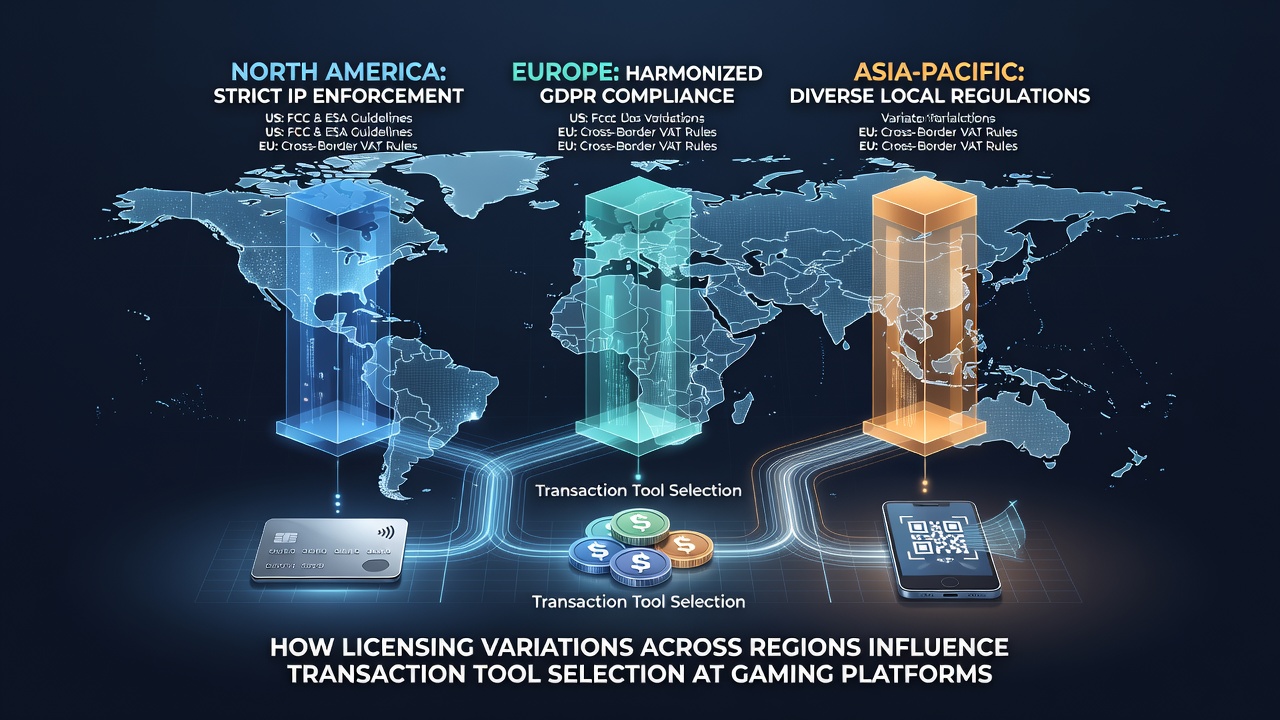
Regulatory licenses issued by different jurisdictions create distinct rules that shape which transaction tools gaming platforms can offer to users, and operators must align their payment selections with those requirements to maintain compliance across borders. Licensing bodies in North America, Europe, and Asia impose varying standards on anti-money laundering checks, data security protocols, and consumer protection measures, which in turn restrict or permit specific deposit and withdrawal methods such as bank transfers, digital wallets, prepaid cards, or cryptocurrency services.
North American Licensing Structures and Transaction Limits
State-level authorities in the United States enforce separate licensing regimes that directly affect available transaction tools, and platforms operating in New Jersey or Pennsylvania must integrate only those payment processors approved under local statutes. Data from the New Jersey Division of Gaming Enforcement shows that licensed operators rely heavily on ACH transfers and approved e-wallets because these methods support detailed transaction logging required for real-time monitoring, whereas cryptocurrency options remain limited unless the license explicitly permits blockchain-based verification systems. In contrast, Canadian provincial frameworks such as those managed by the Alcohol and Gaming Commission of Ontario allow broader use of prepaid vouchers and bank drafts, since these tools align with federal financial reporting standards that emphasize traceability without mandating centralized clearinghouses.
European Variations in License Conditions
Across the European Union, national licensing authorities apply differing interpretations of the Fifth Anti-Money Laundering Directive, which leads platforms to select transaction tools that satisfy both local and cross-border obligations. Operators holding licenses from the Malta Gaming Authority often incorporate instant bank transfer services because these providers already maintain EU-compliant verification layers, while platforms licensed in Sweden or the Netherlands face stricter caps on anonymous prepaid instruments and must therefore prioritize methods that collect verified user data at the point of deposit. Research from the European Gaming and Betting Association indicates that license renewals scheduled for late 2025 and into October 2026 will require additional proof of payment processor due diligence, prompting many sites to phase out certain third-party wallets that lack robust audit trails.
Asian Regulatory Approaches and Emerging Tools
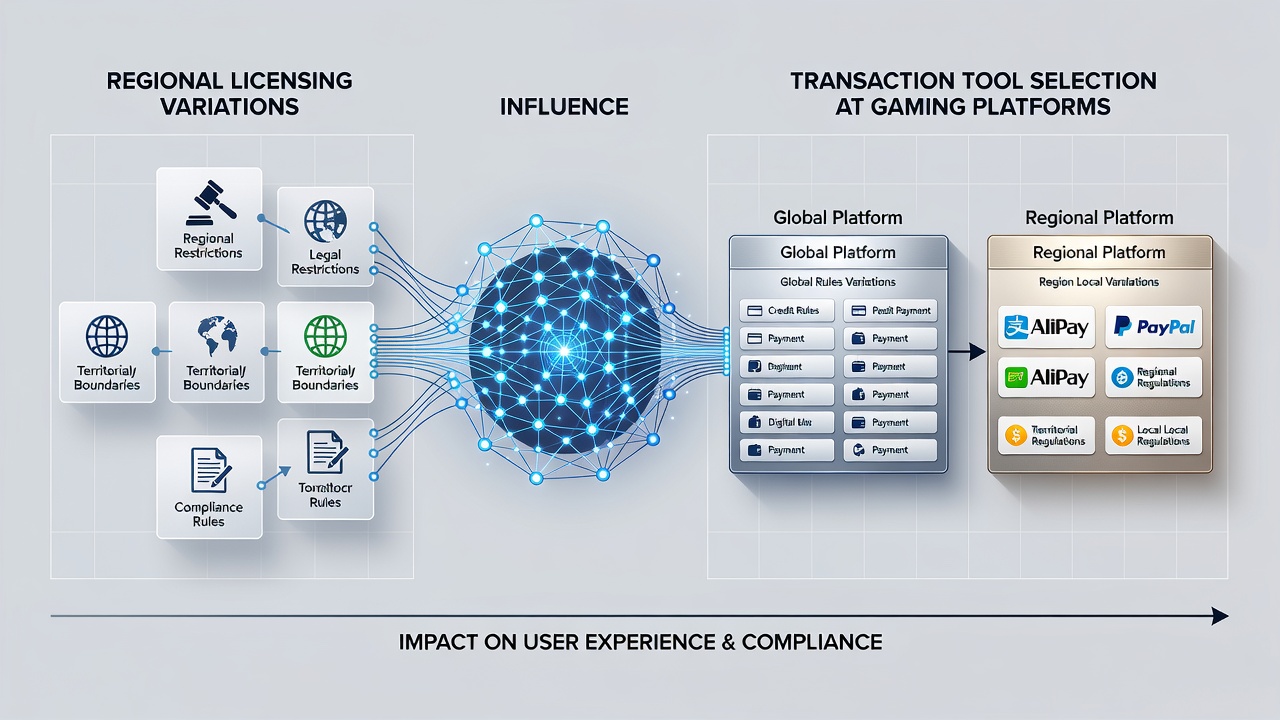
Asian jurisdictions present another layer of complexity, where gaming licenses in places like the Philippines or the Isle of Man (serving as a bridge for some operators) permit a wider array of digital payment gateways compared with stricter markets in China or Japan. Platforms targeting Philippine-licensed markets frequently integrate mobile-based payment rails and QR code systems because these align with local central bank guidelines on electronic fund transfers, whereas operators under Japanese regulatory oversight tend to favor traditional credit card processors that undergo annual security audits. Observers note that these differences force multi-regional platforms to maintain separate payment stacks, each calibrated to the license conditions of teh target market, rather than deploying a single global solution.
Impact on Platform Operations and Compliance Costs
Operators must weigh the cost of integrating region-specific transaction tools against the revenue potential of each licensed market, and those who hold multiple licenses often maintain parallel systems to avoid cross-contamination of payment flows. Figures from industry reports compiled by the University of Nevada, Las Vegas International Gaming Institute reveal that platforms operating under three or more distinct licenses allocate up to 18 percent of their operational budget to payment compliance teams and software updates that reflect evolving license conditions. When a license renewal introduces new requirements, such as enhanced encryption standards scheduled for review in October 2026 in several jurisdictions, operators frequently retire older payment methods that cannot meet the updated criteria and replace them with newer solutions that carry built-in compliance features.
Case Examples of License-Driven Tool Selection
One operator holding licenses in both a U.S. state and an Australian territory adjusted its transaction menu after the Australian Communications and Media Authority updated its guidelines on digital currency reporting, which led the platform to drop certain e-wallet providers that lacked sufficient geographic restrictions. Another example involves a European-focused site that expanded its use of trust-based bank transfers after obtaining a license from the Gibraltar Regulatory Authority, because that license recognized the existing AML controls of those transfer networks and reduced the need for additional verification layers. Such adjustments illustrate how license language can either expand or contract the range of viable transaction tools without requiring operators to redesign entire backend systems.
Future Outlook for License Harmonization
Discussions among international gaming associations continue around potential harmonization of certain licensing standards, yet most observers expect regional variations to persist because consumer protection priorities and financial oversight structures differ substantially between jurisdictions. Platforms that plan ahead for license updates in October 2026 and beyond are already evaluating modular payment architectures that allow quick swaps of transaction tools when new conditions take effect. This approach reduces downtime during transitions and ensures continued access to regulated markets without violating any single licensing agreement.
Conclusion
Licensing variations across regions remain the primary determinant of which transaction tools gaming platforms can deploy, and operators that map these requirements early gain operational flexibility while meeting all compliance obligations. As regulatory bodies refine their standards through 2026 and later, the selection process will continue to favor payment methods that demonstrate verifiable security, clear audit paths, and alignment with local financial rules. Platforms operating across multiple jurisdictions therefore treat license conditions as the foundation for every decision regarding deposit and withdrawal options, ensuring sustained access to each regulated market they serve.