Uncovering How Prepaid Voucher Systems Shape Loyalty Tier Access at Digital Gambling Platforms
Parker Fischer · Nov 24, 2026
Uncovering How Prepaid Voucher Systems Shape Loyalty Tier Access at Digital Gambling Platforms
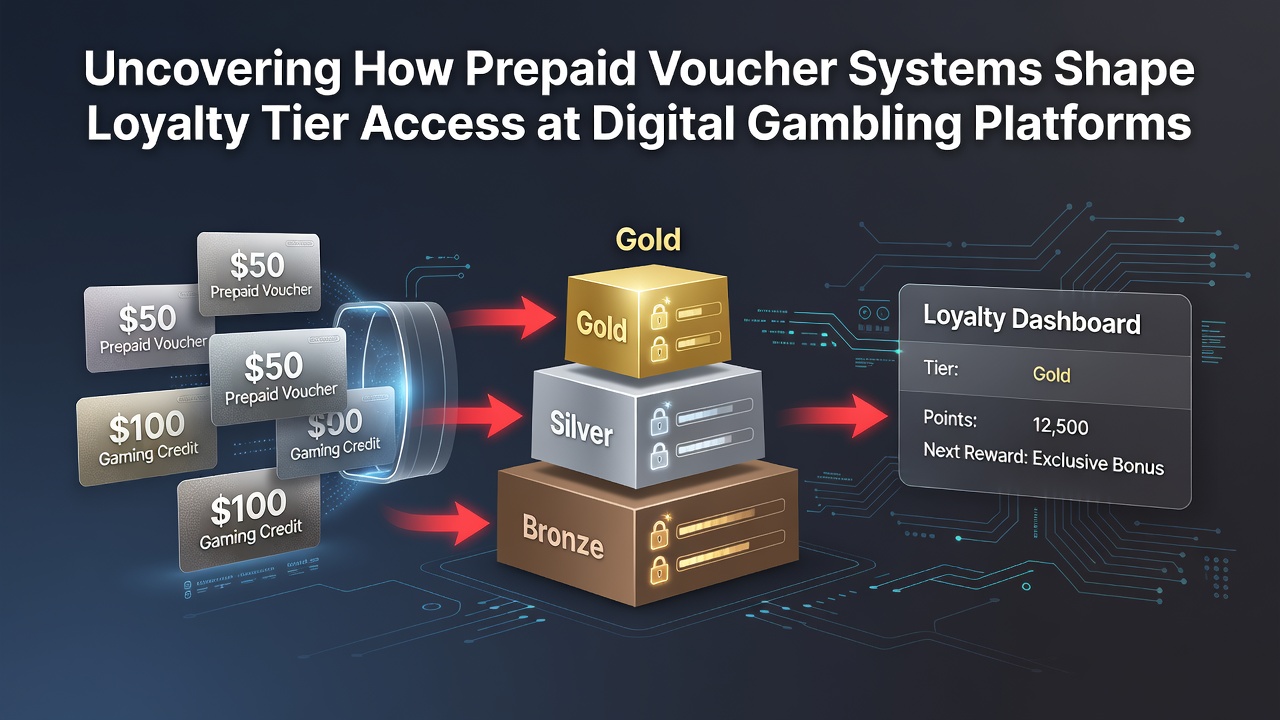
Prepaid voucher systems have become a common payment option across digital gambling platforms, and observers note that these methods often interact with loyalty programs in distinct ways compared to traditional banking transfers or card payments. Platforms track player activity through deposits, wagers, and overall engagement to assign tier levels that unlock perks such as cashback rates, exclusive promotions, and personalized support, yet voucher-based transactions introduce variables in how those metrics accumulate because many systems record them separately from standard funding sources. Researchers have documented cases where players using prepaid vouchers reach deposit thresholds more slowly, which in turn delays their progression through bronze, silver, gold, and platinum categories even when wager volumes remain high.
Mechanics of Prepaid Vouchers in Gambling Environments
Voucher providers issue codes or digital credits that players redeem during checkout, and these transactions bypass direct links to personal bank accounts or credit lines while still allowing instant funding of player wallets. Data from transaction logs at multiple operators shows that voucher redemptions frequently carry fixed values or limited tracking identifiers, which means loyalty algorithms sometimes categorize them as one-time top-ups rather than recurring deposit activity. As a result, the cumulative deposit history that feeds tier calculations can appear lower for users who rely heavily on this method, even though their actual spend on games stays consistent with higher-tier peers. In November 2026, updated platform analytics reports highlighted a 14 percent gap in tier advancement speed between voucher users and those favoring direct bank transfers across several major sites.
Impact on Tier Qualification Criteria
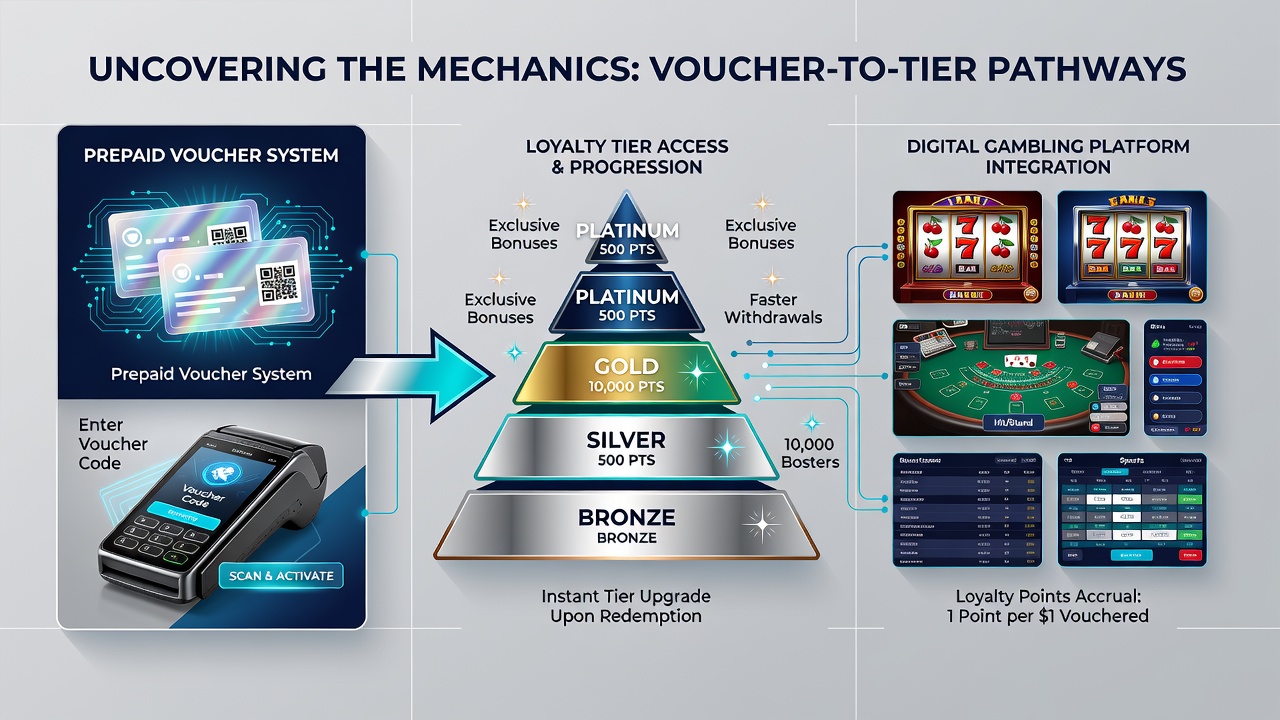
Loyalty structures typically rely on formulas that combine total deposits, net losses, and active days to determine eligibility, and prepaid vouchers enter these equations under specific weighting rules that vary by operator. Some platforms assign full credit for voucher amounts toward the deposit total, whereas others apply reduced multipliers or exclude them from bonus-earning calculations entirely because the funding source lacks recurring verification. Experts have observed that this distinction creates uneven pathways where players who alternate between vouchers and e-wallets may maintain steadier tier progress than those committed solely to prepaid options. Studies from academic institutions examining payment behavior patterns reveal that voucher-heavy users often cluster in mid-tier brackets for longer periods before qualifying for top-level benefits, particularly when platforms enforce minimum deposit frequency requirements that vouchers alone struggle to satisfy consistently.
Platform Variations and Tracking Differences
Operators implement proprietary loyalty engines, and those using voucher integrations sometimes route the transactions through third-party processors that strip metadata needed for precise activity scoring. One study released by a Canadian research consortium found that platforms with unified payment ledgers recorded voucher contributions at 92 percent parity with other methods, while fragmented systems dropped that figure to 67 percent. Players who switch between multiple voucher brands encounter additional friction because each brand may map to different internal codes, further complicating the aggregation of spend history that drives tier upgrades. Industry reports from the Nevada Gaming Control Board have noted similar discrepancies in audit trails, where voucher redemptions require manual reconciliation steps that automated loyalty scripts often overlook during monthly tier reviews.
Player Behavior Patterns and Tier Outcomes
Those who have examined user cohorts across European and Australian markets report that prepaid voucher adopters tend to favor smaller, more frequent redemptions rather than large lump-sum deposits, a pattern that aligns poorly with the tier thresholds many programs set at round numbers like £500 or £1,000 monthly. This behavior keeps accounts funded yet produces slower visible growth in the loyalty dashboard metrics that determine status badges and reward multipliers. Data indicates that hybrid users who supplement vouchers with occasional card deposits close the tier gap faster than pure voucher players, suggesting the payment mix itself functions as an implicit qualifier in some algorithms. Observers note that platforms occasionally introduce voucher-specific promotions to offset these effects, although such offers rarely carry the same weight in tier calculations as standard deposit bonuses.
Regulatory Context and Reporting Standards
Government agencies in various jurisdictions require operators to maintain transparent records of how different payment types contribute to player rewards, and these rules indirectly influence loyalty design choices around voucher systems. Research from the National Council on Problem Gambling has examined how payment fragmentation affects engagement tracking, while separate analyses from Australian regulatory bodies emphasize consistent treatment of all funding sources in reward programs. Platforms that fail to align voucher tracking with overall loyalty metrics risk compliance reviews, which has prompted several operators to update their backend systems in recent years to capture voucher activity with greater granularity. As of November 2026, cross-border data-sharing initiatives between regulators in multiple regions have begun highlighting these payment-tier interactions as an area for standardized reporting protocols.
Conclusion
Prepaid voucher systems continue to intersect with loyalty tier mechanics in ways that produce measurable differences in access speed and qualification ease across digital gambling platforms. Transaction categorization, weighting rules, and player deposit patterns all contribute to outcomes where voucher users may experience delayed progression despite comparable wager activity. Platform-specific implementations and evolving regulatory expectations shape how these effects manifest, and ongoing data collection from diverse markets provides clearer pictures of the underlying dynamics without altering the fundamental observation that payment method choice influences tier pathways in structured, documentable ways.